
Block paving is a common method for creating driveways and pathways, offering durability and aesthetic appeal. However, the possibility of laying block paving on grass raises questions about its feasibility.
This article aims to provide an objective analysis of whether it is possible to lay block paving directly on grass, considering factors such as site preparation, base creation, weed prevention measures, and the actual installation process.
By examining these aspects in detail, readers will gain a comprehensive understanding of the viability of this approach.
Preparing the Grass for Block Paving
In the context of preparing the grass for block paving, it is essential to first remove any vegetation and topsoil to create a stable and level surface.
Grass reinforcement techniques can be employed to strengthen the grassy area and prevent future damage caused by heavy traffic or vehicle parking.
One such technique is using grass pavers, which are interlocking grids that allow grass to grow while providing a firm foundation for the block paving.
These pavers distribute the weight evenly and offer stability, making them suitable for driveways and pathways.
Additionally, there are alternatives to block paving on grass that may be considered depending on specific requirements, such as using gravel or resin-bound surfaces.
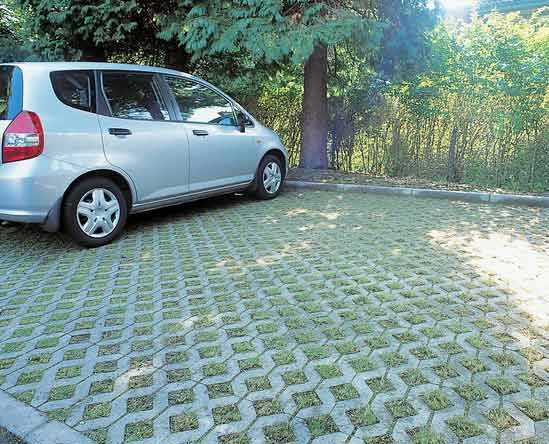
However, these alternatives may have different aesthetic appeal and maintenance needs compared to block paving on grass.
Overall, careful preparation of the grass surface is crucial before laying block paving in order to achieve a durable and aesthetically pleasing result.
Removing the Grass and Creating a Base
To create a suitable base for the installation of a different surface material, it is necessary to remove the existing grass. This step is crucial in creating a stable foundation and ensuring the longevity of the block paving.
The process begins by marking out the area where the grass will be removed. It is important to remove all vegetation, including roots, to prevent regrowth that may disrupt the new surface.
Once the grass has been fully removed, attention should be given to levelling the ground. This involves removing any uneven or high spots and filling in any depressions with suitable materials such as sand or crushed stone. Levelling ensures that the block paving sits evenly and securely on top of the prepared surface, reducing potential issues such as sinking or shifting over time.
Installing a Weed Barrier
The installation of a weed barrier is a necessary step in preventing the growth of unwanted vegetation and maintaining the integrity of the new surface. There are different types of weed barriers available, each with their own pros and cons.
| Weed Barrier Type | Pros | Cons |
|---|---|---|
| Plastic Sheets | Effective at blocking sunlight and preventing weed growth | Can degrade over time and may need to be replaced |
| Landscape Fabric | Allows air and water to pass through | Weeds can still grow through the fabric if not properly installed |
| Mulch or Gravel | Provides an attractive surface | Requires regular maintenance to prevent weeds from growing |
Using a weed barrier can help reduce the amount of time and effort spent on weeding, as well as maintain the overall appearance of the surface. However, it is important to consider factors such as cost, durability, and long-term effectiveness when choosing the appropriate type of weed barrier for your specific needs.
Laying the Block Paving on Top of the Grass
One important step in the process involves placing the block paving over the existing grass surface. This method of laying block paving on top of grass offers several benefits.
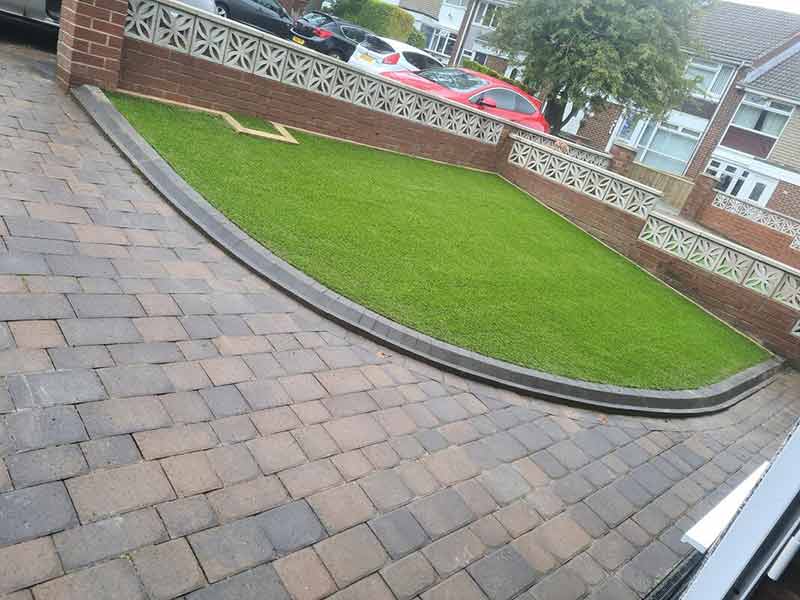
Firstly, it eliminates the need for extensive excavation and removal of the grass, which can be time-consuming and costly.
Additionally, using grass as a base provides natural drainage capabilities, preventing water from pooling on the surface and reducing the risk of flooding or water damage.
Moreover, after block paving installation, maintenance of the grass becomes easier compared to other types of bases such as concrete or gravel. Regular mowing and occasional reseeding are usually sufficient to keep the grass looking healthy and well-maintained.
Overall, utilising grass as a base for block paving offers practical advantages while maintaining an aesthetically pleasing outdoor space.
Conclusion
In conclusion, block paving can be laid on grass with proper preparation and installation techniques. It is important to first prepare the grass by removing it and creating a stable base for the block paving. Additionally, installing a weed barrier is crucial to prevent weed growth between the blocks. By following these steps, one can successfully lay block paving on grass and create a durable and aesthetically pleasing surface.
Interesting statistic: Studies have shown that properly installed block paving can last up to 30 years with minimal maintenance.
Call us to get a price quote on a block paving. Contact us today on 07595 510190 to receive a free quote or visit our website.
Is Sealing Block Paving A Good Idea?
Block paving is a popular choice for driveways and patios, offering a durable and visually appealing surface. However, to ensure its longevity and maintain its pristine

Is It Cheaper To Have Block Paving Or Slabs?
Block paving and slabs are both popular choices for driveways and patios in the UK. When considering which option is cheaper, it’s important to examine the cost comparison, as well as

Is 50mm Block Paving OK For Driveways?
If you’re considering paving your driveway, block paving is an excellent choice. Not only is it durable, but it also adds a touch of elegance to your